
Signature stamps are useful tools for signing documents quickly and consistently. They are commonly used in offices, businesses, banks, medical facilities, and other workplaces where many documents need signatures. However, using a signature stamp incorrectly can create problems with documents and may also affect the professional appearance of your work.
Therefore, you must know the common mistakes that can happen while using a signature stamp and learn how to avoid them.
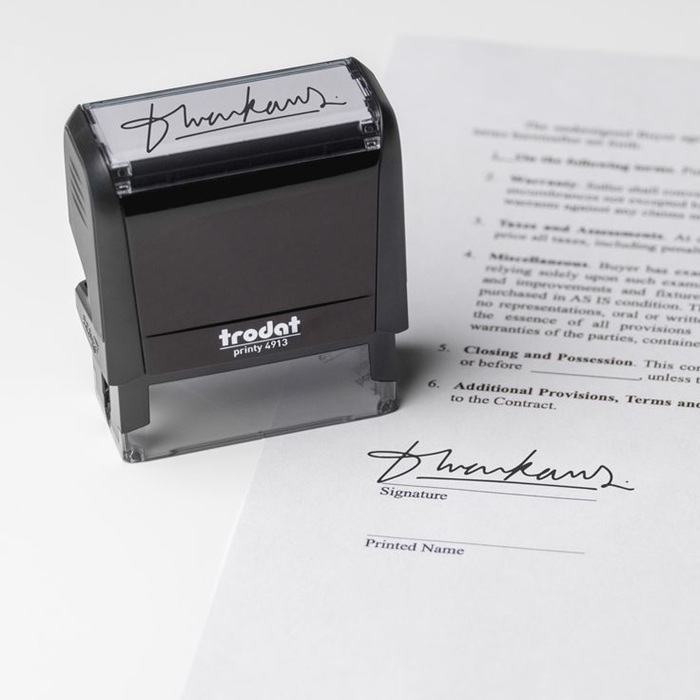
Mistakes To Avoid When Using a Signature Stamp
Using the Wrong Stamp
One of the common mistakes is using the wrong signature stamp for a document. Different documents may require different signatures, names, or designations. Using an incorrect stamp can make the document invalid or create confusion.
For example, if you are using a Signature Verified Stamp for official documents, check whether the stamp contains the correct signature and information before applying it.
Check the stamp carefully before using it. Make sure the name, signature, designation, and other details are correct. If you have multiple stamps, keep them separately and identify each one clearly.
Applying Too Much Pressure
Another mistake is applying too much pressure while stamping the document. When excessive pressure is used, the ink can spread outside the signature area and make the stamp look unclear.
This can be a problem when the document needs to look clean and professional.
Place the stamp properly on the required area and apply steady pressure. You do not have to press the stamp excessively. A simple and controlled stamping motion is enough to transfer the signature clearly.
Stamping on the Wrong Area
Sometimes, the stamp is placed in the wrong location on the document. This can happen when there is no clear signature box or when the user does not check the document carefully before stamping.
If the stamp is placed over important text, numbers, or other information, the document may become difficult to read.
Check the document before applying the stamp. Find the exact area where the signature is required and position the stamp carefully. If possible, compare the location with other completed documents before stamping.
Using a Dry or Low Ink Stamp
A signature stamp may produce a faded impression when the ink is running low. A faded signature can make the document difficult to read and may give it an incomplete appearance.
Sometimes, users continue using the stamp even after noticing that the impression is becoming lighter.
Check the stamp impression regularly. If the ink is running low, refill or replace the ink pad according to the type of stamp you are using. Make a test impression on a spare piece of paper before using it on an important document.
Using a Dirty Stamp
Dust, paper fibers, and dried ink can collect around the stamp surface after repeated use. This can affect the quality of the signature impression.
A dirty stamp may produce unclear lines or unwanted marks on the document.
Clean the stamp surface regularly. Remove dust and excess ink carefully without damaging the stamp. Store it in a clean place when it is not being used.
Stamping Without Checking the Document
Another mistake is applying the signature stamp without reading the document first. This can result in a signature being placed on an incomplete, incorrect, or unauthorized document.
Since a signature represents approval or confirmation, you should check the document before applying it.
Read the relevant details before stamping. Check the name, date, document type, and required signature area. If something appears incorrect, correct it before applying the stamp.
Using a Damaged Stamp
A damaged stamp may not produce a clear signature. The rubber surface can become worn, or the handle and mechanism can become loose after frequent use.
As a result, the signature may appear broken or unclear.
Inspect the stamp when you notice changes in the impression. If the stamping surface is damaged, replace the stamp instead of continuing to use it on important documents.
Conclusion
These are some of the common mistakes you should avoid while using a signature stamp. Using the wrong stamp, applying excessive pressure, stamping in the wrong area, and ignoring low ink can all affect the quality of a document.
By checking the stamp and document before use, keeping the stamp clean, and storing it properly, you can avoid most of these problems. A signature stamp is simple to use, but careful handling is important when it is used for official documents.
