
At a surface level, comparing states may seem straightforward. You can look at population, size, or major cities and draw quick conclusions. However, when you actually compare U.S. states in a structured way, the differences become deeper and more layered.
Each state operates within the same national framework, yet develops its own identity through a combination of geography, history, economy, and culture. When two states are placed side by side, these differences become clearer, and patterns begin to emerge.
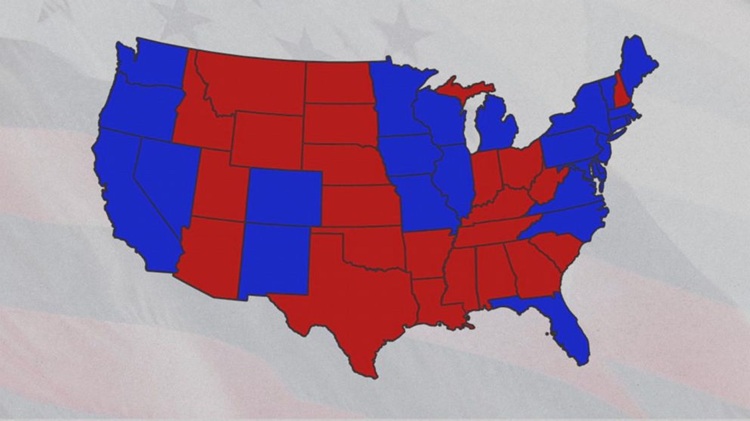
Moving Beyond Basic Comparisons
Most comparisons start with simple metrics such as population or land area. While these numbers are useful, they do not explain how a state functions or how it is experienced.
A meaningful comparison requires looking at multiple factors together, including:
- Environmental conditions
- Historical development
- Economic structure
- Cultural patterns
When these elements are analyzed collectively, the comparison becomes more accurate and informative.
Geographic Contrast and Its Impact
Geography is often the first major difference that appears when you compare U.S. states. Physical features such as mountains, coastlines, plains, and rivers influence how people live and how economies develop.
For example, a coastal state may focus on trade and marine activity, while an inland state may rely more on agriculture or manufacturing. These differences are not isolated; they shape infrastructure, settlement patterns, and long-term development.
As a result, geography acts as a foundation for many other differences.
Historical Paths That Shape Identity
No two states share the exact same historical trajectory. Some developed through early colonial settlements, while others grew during periods of expansion or industrialization.
These differences affect:
- Legal structures
- Economic priorities
- Cultural traditions
When states are compared, their historical paths help explain why certain systems and practices exist.
Understanding this context prevents oversimplification.
Economic Structure and Specialization
Economic differences become clear when states are examined side by side.
Each state tends to specialize based on available resources and historical development. Some focus on agriculture, others on manufacturing, technology, or services.
This specialization influences employment patterns, income levels, and growth opportunities.
Comparing these structures reveals how states adapt to their conditions and how they position themselves within the broader economy.
Cultural Variation and Social Patterns
Culture varies significantly between states, even within the same country.
This variation can be seen in:
- Language and communication styles
- Food and traditions
- Social behavior and norms
These cultural differences are shaped by history, migration, and environment.
When you compare U.S. states, cultural patterns often explain differences that cannot be understood through data alone.
Policy and Governance Differences
Although all states operate under federal law, each state has its own policies and regulations.
These differences can affect:
- Business environments
- Education systems
- Healthcare access
- Tax structures
Comparing states in this context highlights how governance shapes daily life.
It also shows how different approaches can lead to different outcomes.
Role of Symbols and Representation
State symbols provide another layer of comparison.
Each state selects symbols that reflect its identity, including animals, plants, and mottos. These choices offer insight into what the state values and how it presents itself.
By comparing these symbols, you can identify both similarities and differences in representation.
This adds a symbolic dimension to the comparison.
Patterns That Emerge From Comparison
When multiple factors are considered together, patterns begin to emerge.
Some states may share similar geographic conditions but differ in economic structure. Others may have similar histories but different cultural expressions.
These patterns show that no single factor defines a state.
Instead, identity is shaped by the interaction of multiple elements.
Why Structured Comparison Matters?
A structured approach to comparison provides clarity.
It helps you:
- Avoid surface-level conclusions
- Understand the reasons behind differences
- Identify relationships between factors
Without this structure, comparisons can become incomplete or misleading.
Conclusion
When you compare U.S. states in a meaningful way, the process reveals more than simple differences. It shows how geography, history, economy, and culture interact to shape identity.
Placing two states side by side highlights both contrast and connection within a shared national system. This approach provides a deeper understanding of how each state functions and what sets it apart.


